
mirror sheet cut to size
Understanding Thread Plug Gauge Standards Thread plug gauges are essential tools used in manufacturing and quality control processes to ensure that threaded components meet specified dimensions and tolerances. The importance of these gauges cannot be overstated, as they play a crucial role in maintaining the integrity and safety of threaded connections in various applications, from automotive to aerospace. This article aims to explore the standards governing thread plug gauges, their significance, and their applications. What Are Thread Plug Gauges? A thread plug gauge is a type of precision measuring tool designed to check the dimensions and tolerances of internal threads. It typically consists of a cylindrical gauge, which is fitted with defined thread profiles that represent the specifications of the thread being measured. The two main types of thread plug gauges are the Go gauge, which is designed to fit into the threaded hole, and the No-Go gauge, which should not fit. This dual use allows manufacturers to verify whether a threaded component is within the acceptable tolerances. Importance of Standards The establishment of standards for thread plug gauges is crucial for several reasons 1. Consistency Standards ensure that thread plug gauges are manufactured uniformly, allowing for consistent measurement across different production batches and facilities. This consistency is vital for industries where precision is paramount. 2. Interoperability Manufacturing often involves multiple parts from different suppliers. Standards facilitate interoperability by ensuring that parts can be used together without compatibility issues, which is especially important in complex assemblies. 3. Quality Control Adhering to established thread plug gauge standards allows companies to maintain high-quality levels in their production processes. Regularly checking the fit of gauges helps to detect any deviations early, preventing defects from reaching the market. 4. Traceability Standards often require that gauges be calibrated and traceable to recognized measurement systems, enhancing accountability and reliability in manufacturing processes. Key Standards thread plug gauge standard Several organizations set standards for thread plug gauges . The most notable include - The American National Standards Institute (ANSI) ANSI has developed standards such as ANSI B1.1, which covers the Unified Inch Screw Threads, and ANSI B1.3, which pertains to the Unified Nonstandard Thread. These standards provide the necessary guidelines for thread dimensions and tolerances. - The International Organization for Standardization (ISO) ISO standards, particularly ISO 965, provide specifications for different types of thread forms, including metric threads. These standards are widely recognized and adopted, especially in international manufacturing. - The National Aerospace Standards (NAS) In aerospace applications, NAS specifications are crucial, ensuring that threaded components can withstand the extreme conditions encountered in aviation. Applications of Thread Plug Gauges Thread plug gauges are employed across various industries, including - Automotive Manufacturing Ensuring that engine components are threaded precisely to withstand high stress and temperature variations. - Aerospace Verification of threaded connections in critical systems where safety is paramount, such as in aircraft engines and fuselage assemblies. - Oil and Gas Ensuring the integrity of pipe threads in drilling and pipeline applications, where leaks can have catastrophic consequences. Conclusion In conclusion, thread plug gauge standards are integral to modern manufacturing practices. They ensure the reliability and quality of threaded components, thereby enhancing the safety and performance of various applications. As industries continue to evolve and technology advances, adherence to these standards will remain paramount in maintaining the competitive edge and integrity of manufacturing processes worldwide. Through rigorous measurement and quality control, thread plug gauges uphold the precision that modern engineering demands.
about
mirror sheet cut to size
Understanding Ring Plug Gauges Essential Tools in Precision Measurement In the world of manufacturing and engineering, precision is paramount. One of the key tools used to ensure that components fit together correctly and meet strict quality standards is the ring plug gauge. This specialized tool plays a crucial role in the quality control process, helping yield products that are both functional and reliable. What is a Ring Plug Gauge? A ring plug gauge is a type of checking instrument designed to measure the dimensions of holes and shafts. It typically consists of two main parts a ring gauge and a plug gauge. The ring gauge is used to measure the external dimensions of an object, while the plug gauge measures internal dimensions. This dual functionality allows for comprehensive assessment of components, ensuring they fit together as intended. The design of a ring plug gauge is precise and often made from high-grade steel or other durable materials to withstand wear and maintain accuracy over time. The gauges are usually calibrated to specific tolerances, meaning that they can effectively determine whether a component meets the required specifications. Applications of Ring Plug Gauges Ring plug gauges are widely used in various industries, including automotive, aerospace, and manufacturing. In automotive assembly lines, for instance, they ensure that parts like pistons, gears, and shafts are produced to tight tolerances, allowing for smooth operation within engines and transmissions. In aerospace, the stakes are considerably higher; a failure in precision can lead to catastrophic results. Here, ring plug gauges are employed to measure critical components such as turbine blades and airframe structures, where even the slightest deviation can compromise safety. Manufacturers also utilize ring plug gauges during the production process to ensure that machined parts meet the required specifications before they are assembled into final products. This proactive quality control approach mitigates the risk of defects, reducing waste and increasing overall efficiency. Benefits of Using Ring Plug Gauges ring plug gauge 1. Precision One of the most significant advantages of using ring plug gauges is their ability to provide highly accurate measurements. This precision is essential for maintaining quality in manufacturing processes. 2. Ease of Use Unlike more complex measuring tools, ring plug gauges are straightforward to use. Operators can quickly assess whether a part meets specifications without extensive training. 3. Durability Constructed from robust materials, these gauges can withstand the rigors of manufacturing environments, ensuring long-lasting performance and reduced replacement costs. 4. Cost-Effectiveness By detecting faults early in the manufacturing process, ring plug gauges help reduce rework and wastage, leading to significant cost savings for manufacturers. 5. Versatility Available in various sizes and tolerances, ring plug gauges can be tailored to meet the specific needs of different industries, making them a versatile tool in quality assurance. Challenges and Considerations While ring plug gauges are invaluable tools, they are not without their challenges. One of the primary concerns is ensuring that they are calibrated correctly. Regular maintenance and calibration checks are necessary to ensure ongoing accuracy and reliability. Environmental factors such as temperature and humidity can also affect measurements, so operators need to be mindful of their working conditions. Moreover, while ring plug gauges can measure round holes and shafts effectively, they may not be suitable for all geometries. Complex shapes may require additional measuring instruments to ensure comprehensive quality control. Conclusion Ring plug gauges are indispensable in the realm of precision manufacturing and engineering. Their ability to deliver precise measurements quickly and easily positions them as key players in the quality control process. As industries continue to strive for greater accuracy and efficiency, the role of ring plug gauges will only grow in significance. For businesses committed to delivering high-quality products, investing in reliable gauging solutions is not just beneficial—it’s essential.
-

High quality industrial productsagement

High quality industrial products
View Details -

Meet the diverse needs of customers

Meet the diverse needs of customers
View Details -

Strict quality control

Strict quality control
View Details -

Top raw materials

Top raw materials
View Details -

Trusted supplier

Trusted supplier
View Details
Our application


news and information
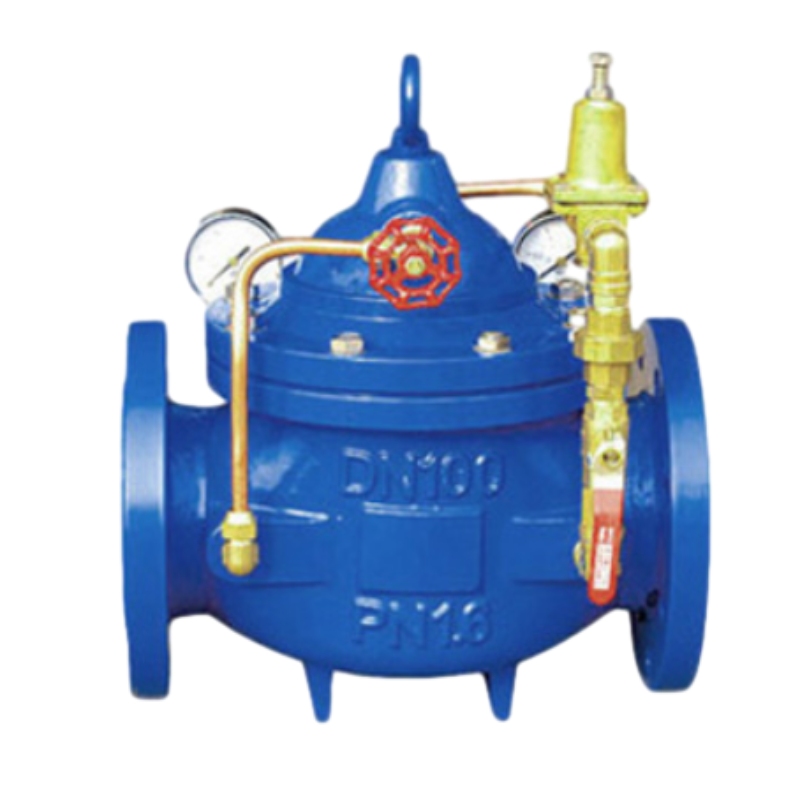
Water Flow Control Through Main Valve Systems for Efficient Management
Understanding Main Valve Water Systems A Comprehensive Analysis In the realm of fluid dynamics and w

welding fabrication table
Welding and Fabrication An Essential Guide to Techniques and Applications Welding and fabrication ar
Using a Level for Accurate Measurements with a Marking Ruler
Using a Marking Ruler with Spirit Level A Guide to Precision in Projects When it comes to achieving
 English